

 Comparing Clomid with Other Ovulation Induction Medications
Introduction to Ovulation Induction Medications
Ovulation induction medications are commonly used to assist women in regulating their menstrual cycles and increasing the chances of conception. These medications work by stimulating the ovaries to release an egg each month, promoting ovulation. By manipulating the hormonal balance in the body, these medications help women with ovulation-related issues to improve their fertility. Some of the most popular ovulation induction medications include Clomid, Letrozole, and injectable gonadotropins, each with its unique mechanism of action and success rates. Understanding the role of these medications is crucial for individuals seeking assistance in their fertility journey.
To better understand the options available for ovulation induction, it is essential to delve into how these medications work on a physiological level. Clomid, for instance, functions by blocking estrogen receptors in the hypothalamus, leading to an increase in follicle-stimulating hormone (FSH) production. Conversely, Letrozole works by inhibiting aromatase, an enzyme involved in estrogen synthesis, resulting in higher FSH levels and improved follicular development. These medications aim to address hormonal imbalances that may hinder ovulation and promote a more regular menstrual cycle.
In addition to Clomid and Letrozole, other medications like injectable gonadotropins are also utilized in ovulation induction treatments. These medications contain the hormones FSH and LH, which directly stimulate the ovaries to produce mature eggs. While these injectables are effective, they are often reserved for cases where oral medications have been unsuccessful. The choice of medication depends on various factors such as the underlying cause of infertility, previous treatment outcomes, and individual preferences.
Furthermore, it is crucial to consider the potential side effects associated with ovulation induction medications. While these medications are generally safe, common side effects may include hot flashes, mood swings, bloating, and abdominal discomfort. Monitoring and adjusting the dosage under the guidance of a healthcare provider can help minimize these effects. Additionally, understanding the success rates and potential risks of each medication can assist individuals in making informed decisions regarding their fertility treatment.
| Medication | Mechanism of Action | Potential Side Effects | | ----------- | --------------------- | ---------------------- | | Clomid | Blocks estrogen receptors, increases FSH production | Hot flashes, mood swings, bloating | | Letrozole | Inhibits aromatase, boosts FSH levels | Abdominal discomfort, headaches | | Injectable Gonadotropins | Contains FSH and LH, stimulates ovaries | Ovarian hyperstimulation syndrome, multiple pregnancies |
How Clomid Works in Ovulation Stimulation
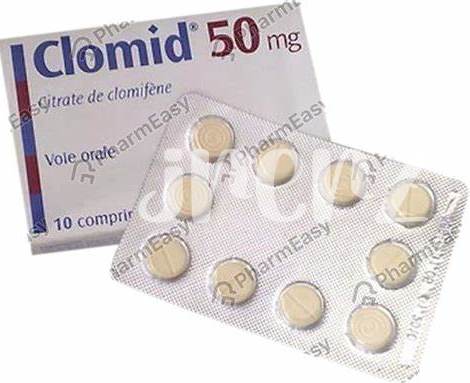
Clomid, a commonly prescribed ovulation induction medication, functions by stimulating the release of hormones necessary for follicle development and ovulation. By interacting with estrogen receptors, Clomid inhibits the negative feedback loop within the hypothalamus, leading to increased production of follicle-stimulating hormone (FSH) and luteinizing hormone (LH). This process prompts the growth and maturation of ovarian follicles, ultimately triggering ovulation.
Moreover, Clomid's mechanism of action differs from Letrozole, another ovulation induction medication. While Clomid blocks estrogen receptors, Letrozole works by inhibiting aromatase enzyme activity, thus reducing estrogen levels. This variance in action can impact the effectiveness and side effect profile of each medication, highlighting the importance of individualized treatment considerations in optimizing outcomes for patients seeking ovulation induction assistance.
Understanding how Clomid operates in ovulation stimulation is vital for patients navigating fertility challenges. By grasping the intricacies of this medication's mode of action, individuals can make informed decisions in collaboration with their healthcare providers to enhance their chances of successful ovulation and conception. It is crucial for individuals considering Clomid to weigh the potential benefits and risks, tailored to their specific medical history and fertility needs, to achieve the best possible outcome in their reproductive journey.
Comparing Clomid with Letrozole
Clomid and Letrozole are two commonly used ovulation induction medications that are often compared in terms of their efficacy and side effects. While Clomid works by blocking estrogen receptors in the brain, Letrozole lowers estrogen levels in the body. The choice between the two medications may depend on factors such as the patient's medical history and response to previous treatments. Some studies suggest that Letrozole may be more effective in certain cases, such as in women with polycystic ovary syndrome (PCOS). However, Clomid is generally less expensive and more widely available. It is important for healthcare providers and patients to discuss the benefits and potential risks of each medication before making a decision on which to use.
Understanding the Side Effects of Ovulation Meds
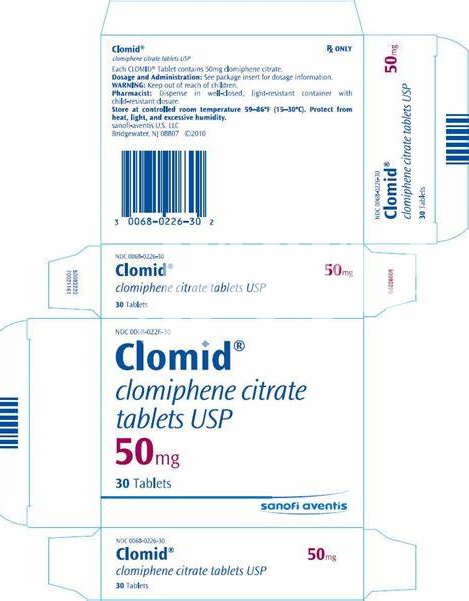
Side effects of ovulation medications can vary depending on the type of medication used. It is important to be aware of potential side effects when considering ovulation induction. Common side effects of medications like Clomid may include hot flashes, mood swings, and abdominal discomfort. These side effects are typically mild and manageable, but it is important to monitor how they affect you personally. Less common but more serious side effects can include vision changes and severe abdominal pain, which should be promptly reported to a healthcare provider. Understanding the potential side effects of ovulation medications can help you make informed decisions about your treatment plan.
Success Rates and Considerations for Choosing
Success Rates and Considerations for Choosing
When considering ovulation induction medications like Clomid, it is essential to weigh the success rates and various factors that may influence the choice of treatment. Success rates can vary depending on individual factors such as age, underlying health conditions, and the cause of infertility. It is crucial to consult with a healthcare provider to determine the most suitable medication that aligns with your specific needs and circumstances.
Moreover, other considerations for choosing ovulation induction medications include potential side effects, cost, and convenience of administration. Some medications may have a higher success rate but also a greater risk of side effects, while others may be more affordable or easier to use. A comprehensive discussion with your healthcare provider can help you navigate these considerations and make an informed decision that maximizes the chances of successful ovulation induction.
Considering these factors alongside the success rates of different ovulation medications can help individuals make a well-informed choice that optimizes the chances of achieving successful ovulation and increasing the likelihood of conception.
| Medication | Success Rate | Side Effects |
|---|---|---|
| Clomid | XX% | Common side effects here |
| Letrozole | XX% | Common side effects here |
| Other Medication | XX% | Common side effects here |
Conclusion: Making Informed Decisions with Ovulation Medications
In conclusion, when it comes to making informed decisions about ovulation medications, it is essential to consider factors such as efficacy, side effects, and individual health circumstances. Consulting with a healthcare provider is crucial to determine the most suitable option for ovulation induction. By weighing the success rates, potential side effects, and personal considerations, individuals can make educated choices on whether Clomid or other ovulation induction medications align with their fertility goals and overall well-being. Making informed decisions ensures that the chosen medication is the most appropriate for achieving successful ovulation and increasing the chances of conception.