Leg & Arm Pain
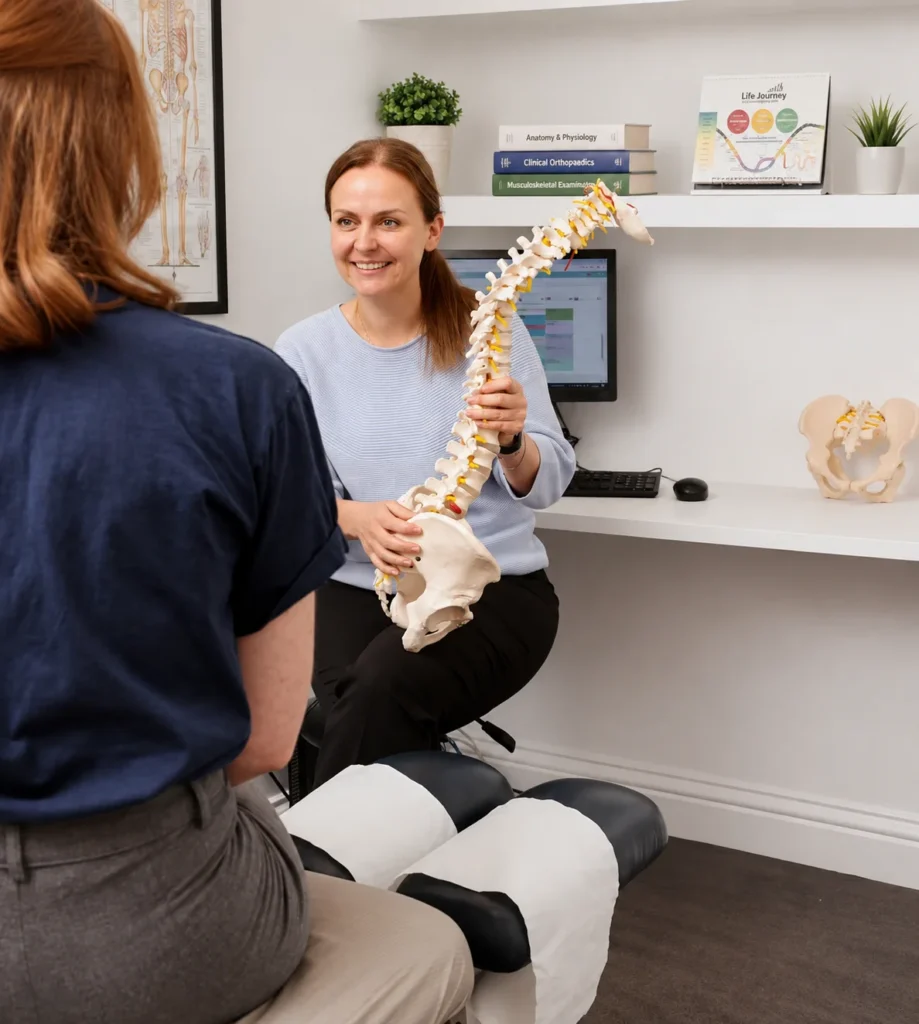
If you have leg pain or arm pain, the source of your symptoms may not be in the limb itself. Pain can be referred from elsewhere in the body. For example, sciatica can cause pain in the calf or leg because of irritation of a nerve in the lower back, while arm pain, tingling or numbness can sometimes originate in the neck.
The first step is therefore to establish where your symptoms are coming from. Our assessment looks at the surrounding joints, muscles, nerves and spine before deciding on the most appropriate treatment.
Common Leg and Arm Pain Symptoms
Depending on the underlying cause, you may experience:
- A constant or recurring ache in the arm or leg
- Stiffness that limits movement
- Sharp pain during particular movements
- Shooting or radiating pain travelling down the leg or arm
- Pins and needles or tingling
- Numbness in the foot, hand or fingers
- Weakness or reduced strength
- Pain that becomes worse with activity, sitting or repetitive movements
Leg and Arm Conditions We Treat
Sciatica
Sciatica occurs when the sciatic nerve is irritated or compressed, commonly causing pain that travels from the lower back or buttock into the thigh, calf or foot. Symptoms can include shooting pain, tingling, numbness and, in some cases, weakness.
Piriformis Syndrome
Piriformis syndrome can cause buttock pain and symptoms that travel down the leg, sometimes resembling sciatica. The piriformis muscle sits deep within the buttock and can contribute to irritation of the sciatic nerve.
Related hip, buttock and pelvic symptoms are also assessed as part of our hip pain treatment.
Hamstring Pain
Hamstring problems can range from an acute muscle strain during running or sport to persistent pain around the upper hamstring. High hamstring pain may be particularly noticeable when sitting or during activities that place repeated load on the hamstring.
Iliotibial Band Pain
Iliotibial band-related pain commonly affects the outside of the thigh or knee and can occur in runners, cyclists and other active people. Assessment helps identify contributing factors such as training load, movement patterns and strength.
Sports Injuries
We also assess and treat a range of minor sports and exercise-related injuries, helping you manage pain, restore movement and progressively return to your normal activities.
How We Assess Leg and Arm Pain
Because pain can be referred from another area of the body, our assessment starts by examining the likely source of the symptoms.
For leg pain, this may include assessment of the lower back, pelvis, hip, knee and surrounding muscles and nerves.
For arm pain, we may assess the neck, shoulder, elbow, wrist and relevant nerves.
Neurological testing can help determine whether a nerve is involved and whether symptoms such as tingling, numbness or weakness may be associated with nerve irritation.
The aim is to understand why the pain is occurring, rather than simply treating the area where you feel it.
Leg and Arm Pain Treatment in Islington
Treatment depends on the findings of your assessment and the factors contributing to your symptoms. Depending on your individual needs, treatment may include:
- Physiotherapy to restore movement, strength and function
- Chiropractic treatment where appropriate for musculoskeletal problems
- Acupuncture as an option for some chronic and musculoskeletal pain
- Massage therapy to address relevant soft-tissue components
- Exercise rehabilitation to build strength and improve tolerance to activity
- Advice on activity modification, training load and returning to normal activities
Where symptoms are related to repeated or excessive loading, a graded exercise programme is often an important part of recovery. The aim is to progressively increase your capacity rather than relying solely on hands-on treatment.
Book Leg & Arm Pain Treatment in Islington
If you are experiencing persistent leg pain, arm pain, sciatica, nerve symptoms, sports injuries or repetitive strain, an assessment can help identify the potential source of your symptoms and determine an appropriate treatment approach.
Seek urgent help if
You develop weakness in both legs, loss of bladder or bowel control, numbness around the back passage or genitals, or a limb that becomes cold, pale or severely swollen. These require immediate medical assessment.

Who Treats These Problems
Qualifications, registration numbers and clinical interests are set out on each team member’s profile.

Fees
Your first assessment is £99 for 45 minutes with a chiropractor or physiotherapist. If acupuncture or massage is recommended as part of your treatment plan, you can book a separate session with the relevant therapist. These sessions last one hour. Please see our fees page for follow-up appointment rates and treatment packages.
Questions
Why does my leg hurt when the problem is in my back?
Nerves leaving the lower spine travel down the leg. When one is irritated near its root, the brain interprets the signal as coming from wherever that nerve supplies, which is why the pain is felt in the leg.
How long does sciatica take to settle?
Many cases improve substantially over six to twelve weeks. Persistent or worsening symptoms, particularly with weakness, need review.